
Videos
Astrological Overview and Forecast: November 9, 2026
As humanity is called to release old patterns of pride, drama, and self-absorption, the...


A group of children chasing a soccer ball after school will show you everything you need to know about effort, competition, and joy. They already bring intensity to the games they love. The question worth asking is what happens to that intensity once adults start running the show.

Why do we hide the truth, even from people we care about? Marie T. Russell begins with a small moment: a friend concealing a cigarette, and her own silence. She considers the strain of keeping lies alive, the difference between honesty and cruelty, and how deception can damage trust in relationships and society. Her invitation is simple: speak truthfully, listen openly, and treat one another with kindness in everyday life.

Trust is essential for effective workplace relationships, impacting everything from individual interactions to organizational success. It is built on three key attributes: ability, integrity, and dignity. By recognizing how these elements contribute to trust, organizations can foster a more collaborative and efficient work environment.

Vaccinating children can be a daunting experience, but there are effective strategies to reduce their anxiety. By focusing on preparation, proximity, and praise, parents can help their children navigate the vaccination process with greater confidence and assurance, ultimately transforming a challenging situation into a more manageable one.

Music has long been recognized for its emotional and social benefits, but recent research explores its potential influence on cognitive abilities. Studies suggest that musical training can enhance executive functions, improve academic performance, and foster emotional awareness. Engaging with music, whether through instruments or informal activities, may offer significant developmental advantages.

A recent study reveals that encouraging children to 'help' rather than asking them to 'be helpers' fosters persistence in overcoming challenges. This shift in language usage can significantly impact children's resilience following setbacks, highlighting the importance of how we communicate actions versus identities.

Research reveals that forgetting personal details about acquaintances, friends, and colleagues is a common experience, occurring on average seven times every two weeks. While people are generally understanding of these lapses, they can still negatively affect relationships. Enhancing memory might improve social connections, suggesting a need for greater effort in remembering details about others.

As discussions around objectification in media evolve, the spotlight now shifts to male actors in popular dramas. This article explores the implications of male objectification, its potential double standards compared to female objectification, and the ideological impacts on societal norms and behaviors. It questions whether the portrayal of men in media may lead to similar exploitative dynamics.

Navigating infant sleep can be challenging for parents, especially when faced with conflicting advice. A physician mom shares her experience with sleep training, highlighting the medical evidence supporting its safety and benefits for both infants and mothers. Discover how she overcame her fears and found a successful method for her daughter’s sleep.

Many people struggle with attachment to material possessions and outdated beliefs, which can lead to unhappiness. This article explores the importance of decluttering both our physical spaces and our minds. By observing our thoughts and letting go of false identities, individuals can cultivate a more fulfilling and joyful life.
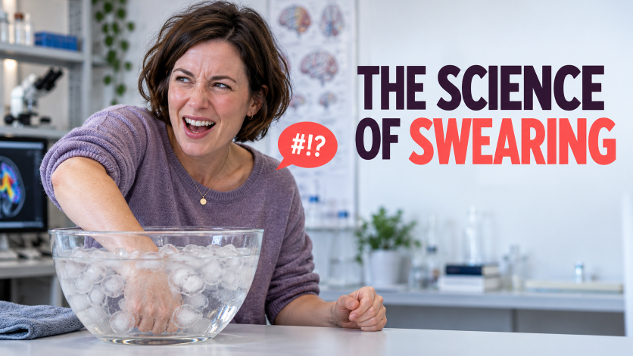
Swearing, often dismissed as a sign of poor vocabulary, may actually indicate linguistic intelligence and emotional expression. Studies reveal a correlation between verbal fluency and swearing fluency, suggesting that swearing can enhance communication and even serve as a natural pain relief mechanism. This article explores the complex relationship between swearing and emotion.

Understanding the true nature of love can help break the cycle of toxic relationships and promote healthier connections. By embracing self-love and recognizing our interconnectedness, individuals can foster compassion and personal growth, ultimately enhancing the quality of their relationships and communities. This journey requires self-reflection and a commitment to change, paving the way for more fulfilling interactions with others.

There is a moment most parents know well: your child is furious, tearful, or flat-out refusing, and you are standing there trying to figure out whether to hold the line or let it go. That split second is where everything you ever learned about love, authority, and your own childhood comes rushing in at once. This article is about what to do with all of that.

Can artificial intelligence figure out what kind of person you are simply from the way you talk to it? That question opens a far more unsettling one: can the patterns in your AI conversations reveal how easily AI can shape what you believe? The answer may change how you use the most powerful information tool most of us have ever touched.

You are standing at the office party, drink in hand, scanning the room for someone you actually know. The music is too loud, the crowd is too unfamiliar, and the words that usually come so easily have apparently left the building without you. If small talk has ever felt like a social test you never studied for, you are not alone — and the good news is, it is a skill, not a gift.

A chatbot told someone it loved them, and that person felt genuinely comforted. That moment is not a curiosity or a glitch. It is a signal that something structurally new is happening to the way human beings form emotional bonds, and most of us are not paying close enough attention to what that shift actually costs.

Fears about the future often stem from past experiences, leading to self-fulfilling prophecies of failure. By recognizing and rewriting these narratives, individuals can free themselves from the weight of past traumas. Embracing gratitude and focusing on the present can cultivate joy and positive expectations for the future.

A strong relationship thrives on unconditional surrender, trust, and a commitment to mutual growth. Embracing change, nurturing curiosity, and sharing joy are vital, while recognizing the impermanence of moments together deepens appreciation. This article explores the core elements that contribute to a fulfilling partnership, highlighting the importance of love as a conscious choice.

Most adults who use AI daily cannot accurately explain what it actually does. That is not a personal failure — it is a design outcome. But when that same confusion gets passed to children without correction, we are not raising the next generation of innovators. We are raising the next generation of marks.

You imagined the newborn haze would be hard, but you did not quite picture yourself standing in the kitchen at 2am, holding a cold cup of coffee you made three hours ago, genuinely unsure what day it is. Time after a new baby does not just feel different — it operates by entirely different rules. The good news is that you can learn those rules, and this article will help you do exactly that.

Recent research explores the complex dynamics of altruistic cruelty, revealing that inducing negative emotions can sometimes motivate individuals to achieve their goals. By understanding how empathy influences this phenomenon, we can reconsider the methods we use to support others in challenging situations, such as exams or competitive scenarios.
As humanity is called to release old patterns of pride, drama, and self-absorption, the...

In the video, a woman carries a lantern along a rain-soaked path. Its glow reaches only...

In “Shades of Gray,” Gloria Travers & The North Street Band explore what can happen...

“Just Say Yes” is a music video from InnerSelf.com about the moment you stop...
A group of children chasing a soccer ball after school will show you everything you need...

Some politicians and activists warn that Muslims want to impose religion through law...
Why do we hide the truth, even from people we care about? Marie T. Russell begins with a...

Everyone has the capacity to access intuition and higher wisdom, which can be...
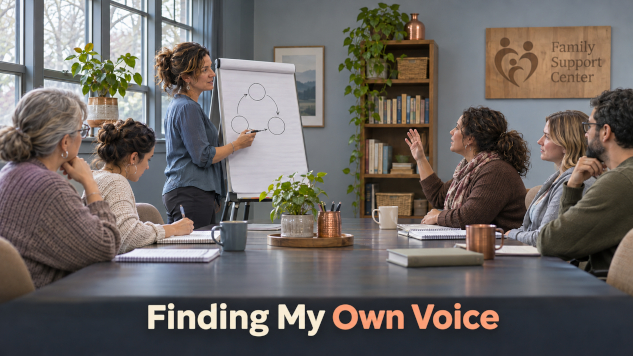
The journey of healing from domestic violence often involves reclaiming one's...