Videos
Astrological Overview and Forecast: November 9, 2026
As humanity is called to release old patterns of pride, drama, and self-absorption, the...

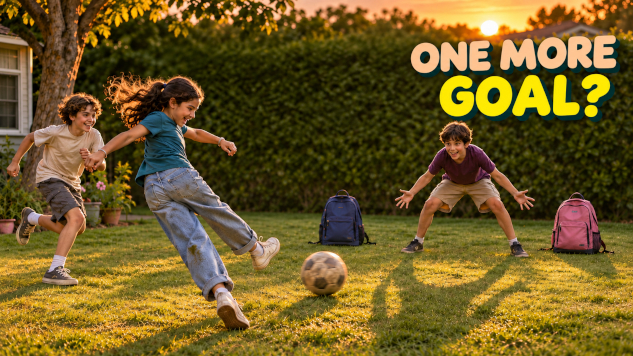
A group of children chasing a soccer ball after school will show you everything you need to know about effort, competition, and joy. They already bring intensity to the games they love. The question worth asking is what happens to that intensity once adults start running the show.

Vaccinating children can be a daunting experience, but there are effective strategies to reduce their anxiety. By focusing on preparation, proximity, and praise, parents can help their children navigate the vaccination process with greater confidence and assurance, ultimately transforming a challenging situation into a more manageable one.
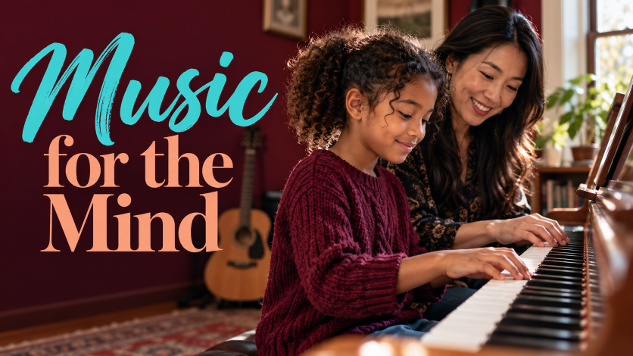
Music has long been recognized for its emotional and social benefits, but recent research explores its potential influence on cognitive abilities. Studies suggest that musical training can enhance executive functions, improve academic performance, and foster emotional awareness. Engaging with music, whether through instruments or informal activities, may offer significant developmental advantages.
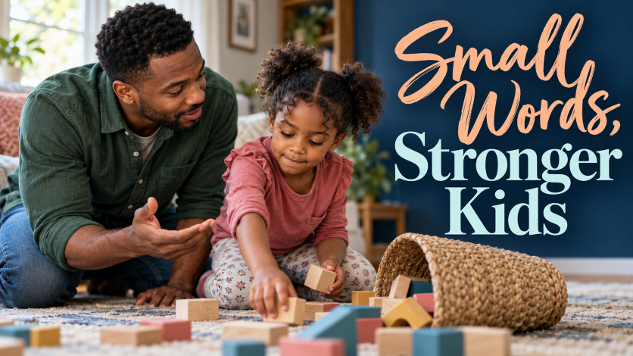
A recent study reveals that encouraging children to 'help' rather than asking them to 'be helpers' fosters persistence in overcoming challenges. This shift in language usage can significantly impact children's resilience following setbacks, highlighting the importance of how we communicate actions versus identities.
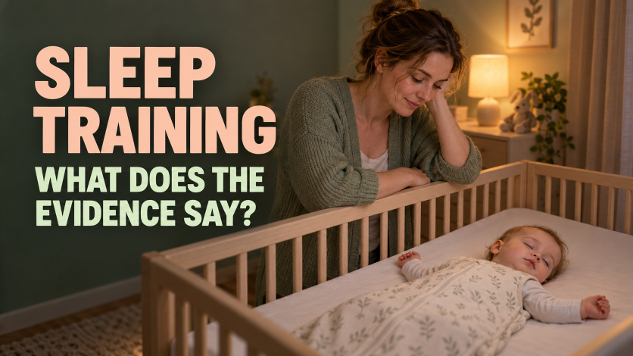
Navigating infant sleep can be challenging for parents, especially when faced with conflicting advice. A physician mom shares her experience with sleep training, highlighting the medical evidence supporting its safety and benefits for both infants and mothers. Discover how she overcame her fears and found a successful method for her daughter’s sleep.
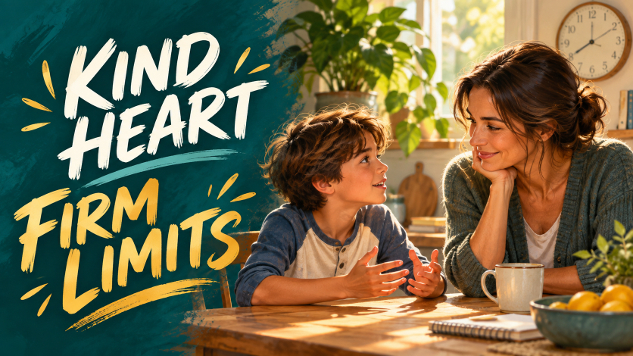
There is a moment most parents know well: your child is furious, tearful, or flat-out refusing, and you are standing there trying to figure out whether to hold the line or let it go. That split second is where everything you ever learned about love, authority, and your own childhood comes rushing in at once. This article is about what to do with all of that.

Most adults who use AI daily cannot accurately explain what it actually does. That is not a personal failure — it is a design outcome. But when that same confusion gets passed to children without correction, we are not raising the next generation of innovators. We are raising the next generation of marks.
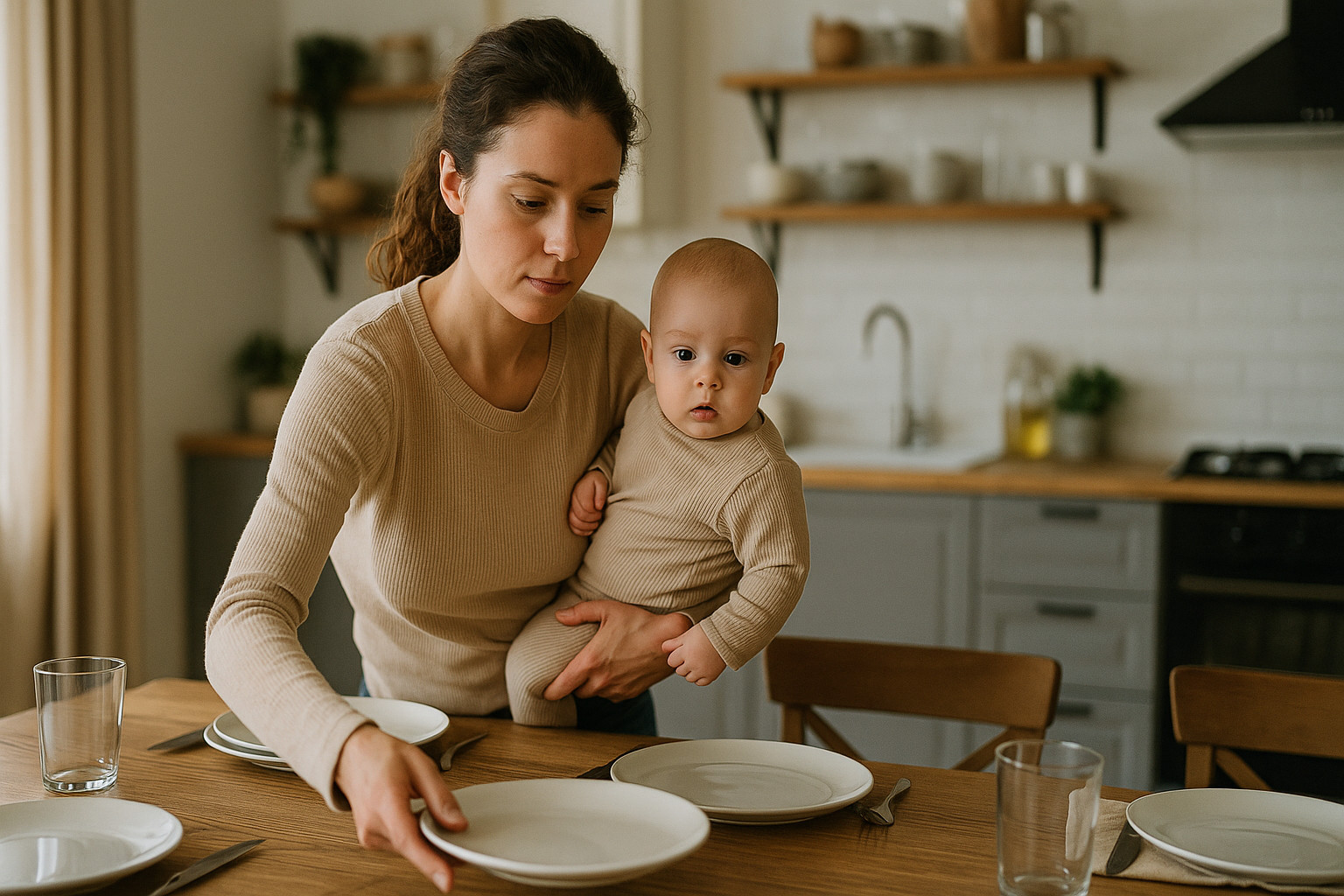
You imagined the newborn haze would be hard, but you did not quite picture yourself standing in the kitchen at 2am, holding a cold cup of coffee you made three hours ago, genuinely unsure what day it is. Time after a new baby does not just feel different — it operates by entirely different rules. The good news is that you can learn those rules, and this article will help you do exactly that.

A recent study reveals stark racial differences in why young adults continue to live with their parents, highlighting the impact of economic factors. For Black young adults, rising rental costs hindered independence, while White young adults faced job scarcity. This analysis of data sheds light on the challenges of household formation in a tumultuous economy.

We are the only species on Earth that buys books about how to raise our young. Every other creature figures it out through instinct, through community, through millions of years of quiet refinement. That doesn't mean we should stop reading — but it does mean the animal kingdom has something urgent and beautiful to say to us, if we're willing to sit still long enough to listen.

Research highlights the crucial role of community environments in shaping early childhood development. The Kids in Communities Study identifies key factors that contribute to better outcomes for children, particularly in disadvantaged areas. Understanding these community dynamics can help inform policies and initiatives aimed at fostering healthier environments for young families.

Navigating parenting can be challenging, particularly when it comes to maintaining authority without resorting to power struggles. Parents can choose to be calm and confident leaders, guiding their children through life's challenges while setting appropriate limits. This approach fosters a strong relationship built on trust and respect, ultimately benefiting both parent and child.

A recent study reveals that young adults who shared musical experiences with their parents during childhood, especially in adolescence, report stronger relationships with them. Activities like listening to music and attending concerts together foster coordination and empathy, enhancing the quality of these bonds into adulthood.

Family travel offers unique educational opportunities that blend adventure with learning. By engaging in pre-trip research, learning local languages, modeling inquiry, and reflecting on experiences, parents can cultivate their children's critical thinking and appreciation for diverse cultures. This approach transforms travel into a rich, immersive learning experience.

Parents must safeguard their children from online threats, but distinguishing real dangers from hoaxes is crucial. With examples like the Momo challenge and other fabricated fears, understanding how to investigate claims and educate children on online content can help mitigate panic and misinformation.

Recent research reveals that even young children, aged 5 to 7, make thoughtful decisions about what information to teach their peers. They prioritize teaching content that is both rewarding and challenging, demonstrating an early understanding of effective teaching strategies. This insight into child development highlights the innate abilities of children as both learners and educators.

Exploring music education reveals how young children perceive the world and express creativity. Through guided composition, students learn to connect their emotions and imagination, developing empathy and self-awareness. This article discusses the processes involved in teaching music, from initial exploration to the complexities of composition, highlighting the profound impact on personal and social development.

When a child misses the mark at school, what happens next can shape a lifetime. For far too many neurodivergent or learning disabled kids, the path from classroom to courtroom starts with small misunderstandings that snowball into exclusions, absences, and crises. This piece shows how unmet needs, rigid rules, and delayed assessments turn ordinary struggles into involvement in justice, and what you can do to interrupt that pattern starting today.

You want your child to start school feeling brave, curious, and ready to learn, not pressured to perform. The good news is that readiness is not a race or a checklist of perfect skills. It is a steady layering of confidence, connection, and simple habits at home that make the first day feel like a natural next step rather than a cliff. Let’s make it gentle and doable.

You remember roaming the block with a pack of neighborhood kids and a strict be-home-by-dinner rule. No adult scheduled the adventure. You learned to solve problems, read faces, and bounce back from small stumbles. Today many children rarely get that space. This piece makes the human case for bringing back safe, sane stretches of unsupervised play so kids can grow stronger inside and out.

We say we want resilient kids, then we train them to run on fumes. Gold stars, perfect attendance, hustle before homework, and sleep as an afterthought. If childhood becomes an audition for nonstop output, adulthood becomes a factory shift with no whistle. Real strength includes knowing when to pause, recharge, and value yourself beyond the scoreboard. When you model rest, you are teaching body awareness and the habit of stepping back before the cliff.
As humanity is called to release old patterns of pride, drama, and self-absorption, the...
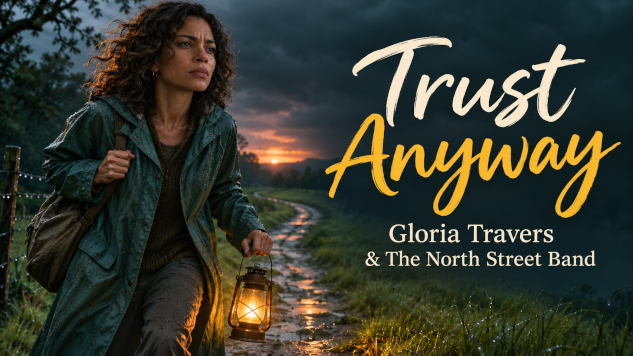
In the video, a woman carries a lantern along a rain-soaked path. Its glow reaches only...

In “Shades of Gray,” Gloria Travers & The North Street Band explore what can happen...

“Just Say Yes” is a music video from InnerSelf.com about the moment you stop...
A group of children chasing a soccer ball after school will show you everything you need...

Some politicians and activists warn that Muslims want to impose religion through law...
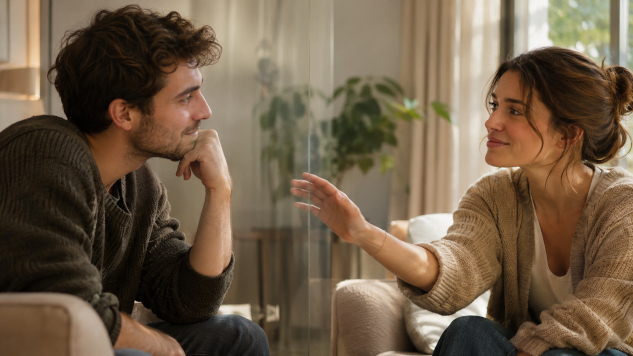
Why do we hide the truth, even from people we care about? Marie T. Russell begins with a...

Everyone has the capacity to access intuition and higher wisdom, which can be...
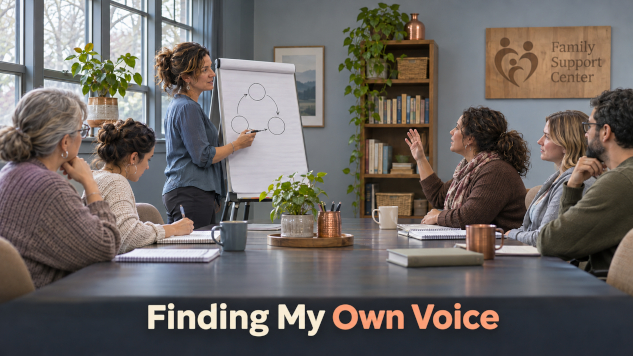
The journey of healing from domestic violence often involves reclaiming one's...