
Videos
Pluto Turns Direct: Reclaim Your Power
Pluto turns direct as this week’s astrology explores hidden truths, personal power, and...


Recent cultural depictions challenge outdated narratives, portraying menopause as a time of empowerment rather than decline. From poignant moments in series like Fleabag to musicals celebrating the experience, popular culture is reshaping perceptions and fostering understanding of this significant life transition.

Authenticity is about revealing one's true self, often hidden due to societal pressures and fear of judgment. This article explores the journey to authenticity, emphasizing the need to align inner feelings with outer expressions. By confronting vulnerabilities and embracing emotions, individuals can foster genuine connections and live more fulfilling lives.

Research shows that giving to charities or volunteering not only benefits the community but also enhances personal well-being and physical attractiveness. Studies reveal that individuals who engage in generous acts are perceived as more attractive, and attractive people are more likely to give, creating a positive cycle of beauty and altruism.

Are you a borderline narcissist? Where does healthy self-love end and selfishness begin? After being accused of narcissism, Marie T. Russell examines the thin line between caring for ourselves and disregarding others, and what our choices reveal about how we live.

You can feel it in a tense kitchen, a strained text exchange, or the silence after someone says, "I am fine" when they clearly are not. The question of whether women are more emotionally intelligent than men is not just a cultural debate. It shapes relationships, work, parenting, and the way people learn to understand themselves.

Many people struggle with fear and anxiety, often dwelling on the past or worrying about the future. This article outlines six effective strategies to decrease fear and cultivate peace, emphasizing the importance of being present and adopting specific coping mechanisms for a more balanced and fulfilling life.

Choosing to focus on commonalities rather than differences can transform perceptions of others. By recognizing shared desires and experiences, individuals can cultivate compassion and understanding, making it easier to overlook behaviors that may initially trigger judgment. This perspective fosters a sense of connection and encourages a more harmonious existence.

Perfectionism can be a significant obstacle, affecting both individuals and those around them. This compulsive need for perfection often leads to feelings of inadequacy and anxiety, creating tension in relationships and workplaces. Recognizing and addressing perfectionism is essential for personal growth and improving interactions with others.

Exploring the ancient connection between virtue and a fulfilling life, this article delves into how cultivating gratitude can lead to the development of other virtues. It highlights the empirical evidence linking gratitude to increased self-control and moral behavior, suggesting a practical and efficient method to enhance moral character without the need for extensive philosophical deliberation.

Personal power is often misunderstood as control or aggression, but it truly stems from self-awareness and authenticity. Both men and women face societal pressures that distort their self-image and potential. By recognizing and embracing one's unique traits and roles, individuals can cultivate a fulfilling and empowered life.

Some of the stories we carry about ourselves are so old we have forgotten they were ever stories at all. They feel like facts, like the shape of our hands or the color of our eyes. But what if the version of you that those stories describe stopped being true years ago, and no one told you it was okay to update the file?

The quest for love often manifests as a need for attention, leading individuals down various paths, some constructive and others destructive. In a world where many feel neglected, the importance of nurturing love and attention in our communities has never been clearer. By focusing on positive engagement, society can address the root causes of violence and crime.

In a world filled with anxiety and uncertainty, individuals can reclaim their power through personal empowerment and intentional choices. Despite external chaos, focusing on peace, gratitude, and positive qualities can transform one's experience and influence the collective environment, fostering a healthier future for all.

The rise of smartphones has transformed communication, yet this convenience may be harming mental health and relationships. Studies suggest that electronic communication can lead to increased isolation and unhappiness, particularly among the iGen cohort, who are the first to grow up with these devices. Understanding these effects is crucial as society navigates this new normal.

When the world’s problems become overwhelming, shutting down can seem easier than feeling the pain. Not caring may actually be a form of self-protection. However, whether we act or remain silent, we are already making a difference. The question is: What kind of difference do we choose to make?

Exploring the relationship between light and darkness reveals profound insights into personal and collective healing. By understanding darkness not as a foe but as a partner in creation, individuals can learn to balance their emotions, transforming fear and despair into opportunities for growth and connection with the Divine.

Phone anxiety, or telephobia, affects many individuals, especially those with social anxiety disorder. This article explores the emotional and physical symptoms of phone anxiety, the reasons people prefer texting over calls, and effective strategies to combat this fear and improve communication skills.

Boredom, often perceived as trivial, can significantly impact mental health and behavior. It can lead to impulsive actions, increased aggression, and even deeper existential reflections. However, it also fosters curiosity and the search for meaning, highlighting its complex role in psychological functioning. Understanding this duality can help navigate boredom's effects.

The rise of smartphones has transformed communication, yet this convenience may be harming mental health and relationships. Studies suggest that electronic communication can lead to increased isolation and unhappiness, particularly among the iGen cohort, who are the first to grow up with these devices. Understanding these effects is crucial as society navigates this new normal.

Why do we keep doing things we know aren't good for us? The answer may have less to do with weakness and more to do with habit, emotional soothing, and conditioning. Understanding why the pattern began can help us forgive ourselves and finally choose differently.

Navigating grief and fear can be overwhelming, but embracing love and maintaining an open heart can facilitate healing. This article explores the transformative power of love in overcoming personal loss and societal fears, emphasizing the importance of connection with nature and supportive relationships during challenging times.
Pluto turns direct as this week’s astrology explores hidden truths, personal power, and...

We now emerge somewhat disheveled, but hopefully wiser, from the emotional...

Have you ever sat outside with a group of friends, only to wake up the next morning...

The Nordic diet brings fish, rye, berries, and root vegetables to the table. This video...

Your voice is a gift worth sharing. “Give Back To The Universe” by Mary Travers and the...

Have you ever felt lost in the chaos of the world, searching for a guiding light when...
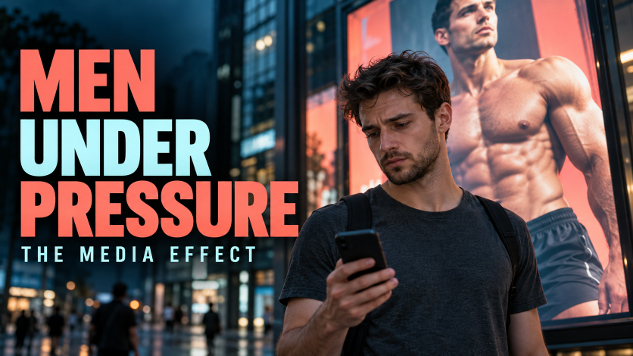
As discussions around objectification in media evolve, the spotlight now shifts to male...

Suppressing originality can stifle vitality and initiative, as shown by...

What if the thing overwhelming you isn’t the task itself, but what you expect of...

Sometimes we recognize that something needs to change long before we feel ready to...
Authenticity is about revealing one's true self, often hidden due to societal...