How Declining Birth Rates Will Reshape the Economies of Nations
The most consequential economic force of the next fifty years is not artificial intelligence, climate change, or geopolitical rivalry. It is something far quieter and far more...

The most consequential economic force of the next fifty years is not artificial intelligence, climate change, or geopolitical rivalry. It is something far quieter and far more certain: fewer people being born. When a country stops replacing itself, every assumption its economy was built on begins to crack.

On August 19, the U.S. Treasury quietly announced it would at least double the size of certain debt buyback operations, and bond markets moved immediately. Most Americans scrolled past the headline. That was a shame, because hidden inside that dry announcement was a window into how federal money actually works — and why almost everything you have been told about the national debt is at best incomplete and at worst a political weapon aimed directly at you.

Somewhere in California, a farmer is staring at cracked earth one season and a flooded field the next, and the bank is not particularly interested in hearing about either. Climate whiplash — the rapid swing between opposite weather extremes — is quietly dismantling the economic architecture that modern life depends on. This is not a future problem. It is already on the invoice.

Every few decades, a generation of young people looks at the world their parents built and decides it needs a serious overhaul. The hippies did it with flowers and folk songs in the 1960s. Gen Z is doing it with smartphones and hashtags right now. The tools are different, the urgency is the same, and the establishment is just as uncomfortable about it.

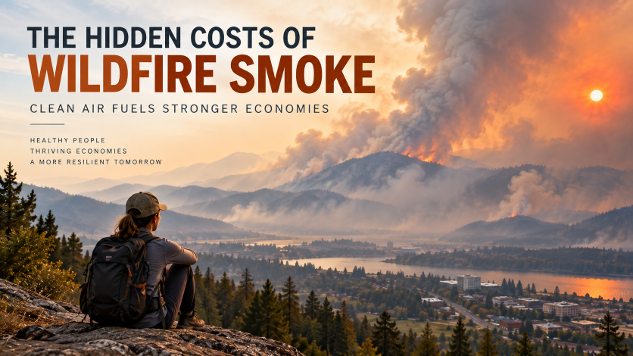
The smoke clears, the news cycle moves on, and most people assume the danger is over. It is not. Wildfires leave behind a contamination footprint that persists in the air, water, and soil for months or years after the last ember dies, and the health consequences follow the same slow, invisible timeline.

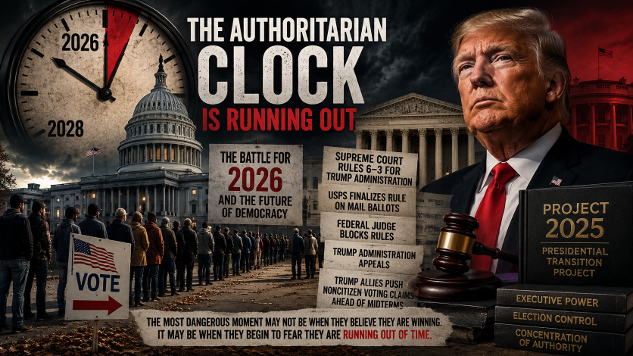
The prevalence of misleading statements from political figures, particularly during the Trump administration, highlights a troubling trend in democratic discourse. These statements often serve to express political identity rather than convey factual information, complicating our ability to engage in constructive dialogue across differing viewpoints.

The concept of love has become muddled in modern society, often mistaken for attention, approval, or rewards. Many people grow up believing love must be earned, leading to confusion and unmet emotional needs. By fostering unconditional love and compassion, individuals can contribute to a more empathetic world, addressing societal issues such as violence and alienation.

More than 70 million Americans now earn income through gig work, yet most conversations about this workforce treat it as a temporary detour rather than a structural destination. Understanding who actually does this work — and why — exposes something important about how the economy has been quietly reorganizing itself for decades. If you are already in the gig economy or considering it, the difference between thriving and merely surviving comes down to strategy, not luck.

Future generations will reflect on our era as either a time of chaos or a pivotal shift towards harmony. The choice between the dominator model of Empire and the partnership model of Earth Community defines our potential for survival and flourishing. This article explores the historical context, mechanisms of change, and the urgency of embracing a new narrative for collective well-being.

Somewhere tonight, an elderly person is lying in a nursing home bed waiting for help that is not coming. Not because the staff is lazy. Not because the facility forgot. But because there is no one left to come. That is the reality unfolding across America right now, and the policies driving it are only accelerating.

Imagine a business owner who buys cheap equipment to save money this quarter. Six months later production slows, customers leave, and the employees follow them out the door. We would call him a poor manager, yet governments make this exact kind of decision every single day and call it leadership.

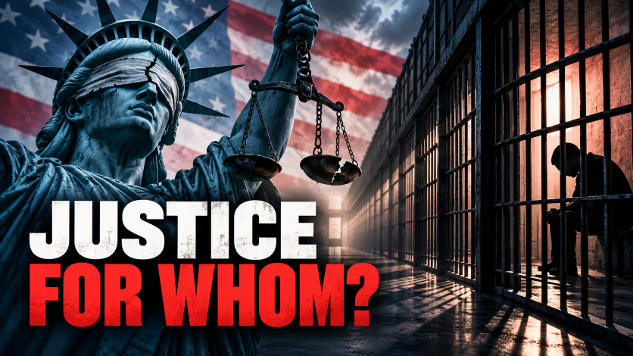
Iceland's open prisons, Kvíabryggja and another, offer a unique perspective on rehabilitation. With minimal security and a focus on communal living, these facilities prioritize trust and interaction between prisoners and staff, creating an environment that fosters personal growth and emotional connection, despite the serious offenses of some inmates.

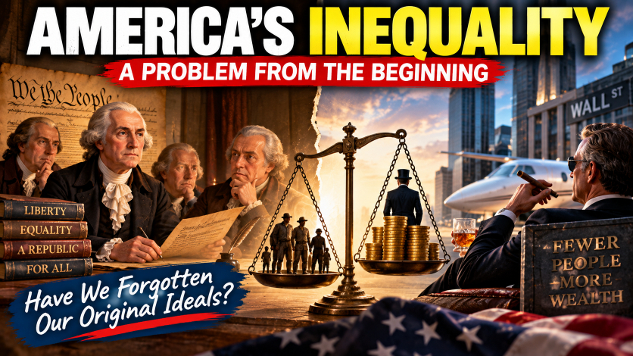
Most people have been taught that the fastest path to economic growth runs through the wealthy -- give investors more money, and prosperity will eventually trickle down to everyone else. But decades of evidence and the basic mechanics of how markets actually function tell a very different story. Real economies are driven by customers, not capital holders, and understanding that distinction changes everything about how you see growth, policy, and the future.

Something strange happens to companies after they win. They stop trying to earn your loyalty and start finding ways to make your loyalty irrelevant. The pattern is everywhere once you see it, and once you see it, you cannot unsee it.

Artificial lights disrupt the migratory patterns of billions of birds each year, leading to fatal consequences. New research shows that even ground-level lights can significantly alter bird behavior, increasing flight calls and the risk of collisions. This article explores the mechanisms behind these changes and offers solutions to mitigate their impact.

In an age where trust and faith are increasingly tested, it is vital to recognize the duality of human nature. While the media often highlights violence and negativity, there are also countless acts of kindness and positivity. By embracing our ability to give back and contribute to the greater good, individuals can help restore faith in humanity and promote a loving community.

Across the 2026 Democratic primaries, something the party establishment did not plan for is happening in plain sight. A 29-year-old attorney knocks off a 30-year incumbent in Colorado. A democratic socialist wins New York City's mayoralty. Progressive insurgents topple entrenched moderates from Maine to California. This isn't a wave. It's a reckoning, decades in the making, and it is finally breaking the surface.

A heat wave does not just make you sweaty and miserable. It turns the landscape into a loaded gun, dries out every blade of grass until it crinkles like paper, and then pulls the trigger itself through lightning strikes and stolen nighttime moisture. Once you understand the full mechanism, you cannot look at a wildfire map the same way again.

A strait 33 kilometers wide at its narrowest point carries roughly 20% of the world's seaborne oil and LNG — and when it closes, the bill doesn't get sent to the generals who ordered the strikes. It gets sent to the family filling up the tank, buying groceries, and wondering why the mortgage payment feels heavier this month. The U.S.-Israeli strikes on Iran that began February 28, 2026, have set in motion an economic chain reaction that is still accelerating, and understanding its mechanics is the only way to see where it ends.

Europe is baking under another record-breaking heat wave, and this one arrived right on the heels of temperatures in May that had no business existing. Meanwhile, Asia spent last year drowning and sweltering in equal measure. If this feels like a pattern, that is because it is one, and someone left the stove on.

We live in a world where throwing something away feels like the most natural act imaginable. But according to anthropologist Sarah Newman, that instinct is not ancient wisdom — it is a modern invention, and a dangerously costly one. Her research across ancient Maya cities and 19th-century households reveals that the story of waste is really a story about what we choose to value.