
Videos
Pluto Turns Direct: Reclaim Your Power
Pluto turns direct as this week’s astrology explores hidden truths, personal power, and...


You are standing in the grocery store aisle, staring at what feels like a wall of yellow confusion. Butter, margarine, spreads, blends — and every package claims to be the smart choice. Before you grab whatever your mother used, let's actually figure out what you are putting on your toast every morning.

There is something quietly powerful that happens when you stand at a stove, stirring something real. Home cooking has long been tied to comfort and tradition, but science is now catching up to what grandmothers have known for generations: preparing your own food changes not just what you eat, but how you feel, how you connect, and who you become. If you have been meaning to cook more at home but keep finding reasons to order out, this article is your gentle nudge back to the kitchen.
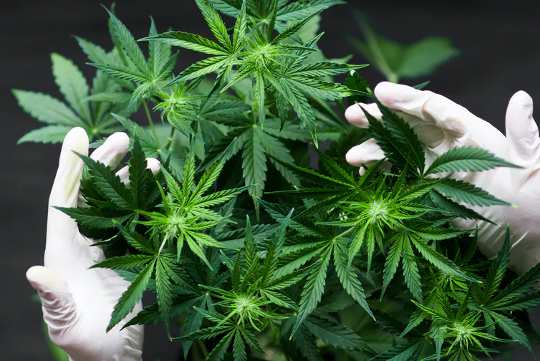
Recent research reveals the complex relationship between cannabis use and memory. While THC may impair short-term memory, CBD could offer protective benefits for neurodegenerative diseases. The impact of cannabis on memory varies greatly depending on the type and dosage, highlighting the need for a nuanced understanding of its effects.

Two billion people already eat insects as a regular part of their diet, and they have been doing so for thousands of years. The Western world is catching up slowly, not because the idea is new, but because the evidence for it has become impossible to ignore. If you have ever wondered whether the squeamishness is worth holding onto, the answer is almost certainly no.

For decades, the conversation about depression treatment has circled the same well-worn options: antidepressants that take weeks to work, therapy that requires months of commitment, and outcomes that remain frustratingly inconsistent for millions of people. Now a molecule derived from mushrooms that indigenous cultures have used ceremonially for thousands of years is sitting at the center of one of the most significant psychiatric research shifts in a generation. The question is no longer whether psilocybin does something remarkable in the brain. The question is whether we can use it safely, systematically, and without losing what makes it work.

You are standing in the checkout line watching the total tick upward, and somewhere around the third or fourth item you start doing that quiet mental math that never quite adds up. Food costs have surged in ways that hit differently than other price increases, because you cannot simply decide not to eat. The good news is that cutting back does not have to mean cutting the joy out of every meal.

The Australian Dietary Guidelines recommend consuming 30g of nuts daily for their health benefits, which include good fats and essential nutrients. Despite their calorie density, research shows that moderate nut consumption does not lead to weight gain and may even aid in weight management by promoting satiety and healthy eating habits.

There is something that happens the moment you step into a farmers market on a Saturday morning. The smell of fresh herbs hits you before you even see the stalls, and suddenly the week that felt so heavy seems a little lighter. Shopping at farmers markets is not just about buying food, it is about reconnecting with something real in a world that often feels anything but.
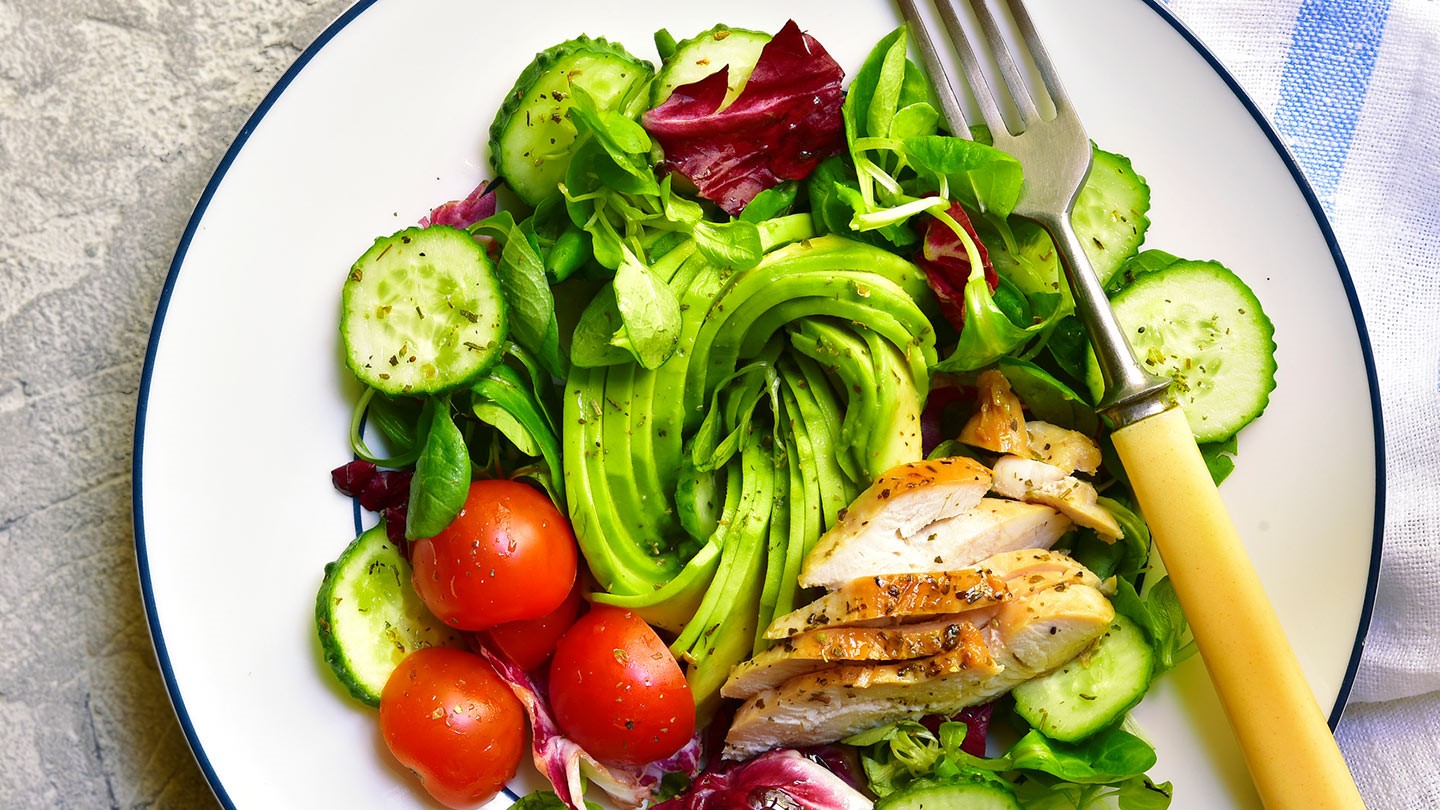
Recent research suggests that dietary interventions, particularly those leading to ketosis, may effectively treat polycystic kidney disease (PKD). This breakthrough indicates that by altering dietary habits or using supplements, it's possible to slow or even reverse the progression of PKD, a condition traditionally viewed as irreversible.

Over 300 million people globally suffer from depression, impacting their daily lives and relationships. While traditional therapies remain important, emerging research highlights the significant role of diet in managing and preventing depression. A healthy diet rich in fruits, vegetables, whole grains, and omega-3s can improve mental health and reduce depressive symptoms.

You may have spotted it at a farmers market or tucked onto a restaurant menu — those dark, almost glossy cloves that look like garlic went through something mysterious. Black garlic is exactly that kind of ingredient: quietly transformative, deeply flavorful, and surprisingly easy to make at home once you understand what it actually is.
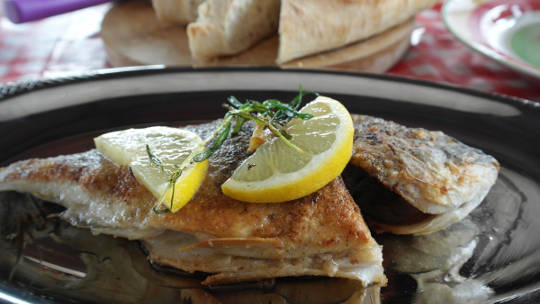
A recent study reveals that children who eat fish at least once a week experience better sleep and have IQ scores averaging 4 points higher than those who eat fish less frequently. The research highlights the significance of omega-3 fatty acids in fish, suggesting a link between fish consumption, sleep quality, and cognitive performance.

You check your cholesterol, monitor your blood pressure, and maybe even track your steps. But there's one simple measurement that might predict your brain health decades from now — and most of us have never thought to ask about it.

Recent studies reveal that coffee drinking may offer significant health benefits, including a lower risk of premature death, type 2 diabetes, and certain cancers. However, caution is advised regarding heavy intake, which can increase the risk of lung cancer and exacerbate heart issues. Understanding these dynamics is crucial for informed consumption.

Men over 50 face increased risks of prostate-related diseases influenced by modern lifestyle choices. Factors such as stress, poor diet, and sedentary habits contribute significantly to conditions like benign prostatic hypertrophy and prostate cancer. However, maintaining an active lifestyle and incorporating certain herbs can promote prostate health and overall vitality.
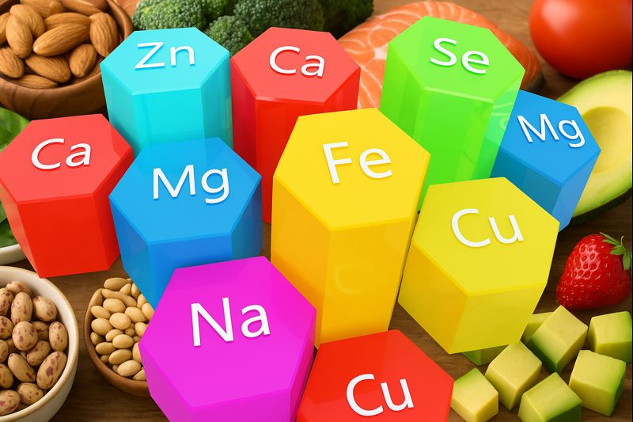
Minerals play a crucial role in maintaining the body's chemistry and supporting overall health. This article explores the historical insights of Dr. Julius Hensel and the significance of minerals in nutrition, particularly through juicing methods that enhance health and treat various ailments.

A comprehensive study reveals that severe calorie reduction can lower cardiovascular disease risk and improve insulin sensitivity, but it doesn't replicate the metabolic benefits seen in animals. Participants found it challenging to maintain a 25% calorie cut, achieving only a 12% reduction, yet showed significant health improvements, highlighting the complexity of calorie restriction in humans.
Research indicates that diet plays a crucial role in mental health, particularly in relation to depression. A Mediterranean diet has shown protective effects, while fast food consumption is linked to negative mood shifts. Understanding the relationship between what is eaten and emotional well-being can guide healthier choices for improved mood and overall health.

A new understanding of cavity formation reveals that diet plays a critical role in children's dental health. Contrary to traditional beliefs, snack foods high in simple carbohydrates are more harmful than sweet treats like dark chocolate. By making strategic dietary choices, parents can effectively prevent cavities without drastic changes to their children's meals.
Nutritional therapy emphasizes the connection between food and health, proposing that many ailments can be alleviated through dietary changes. This holistic approach not only addresses specific health issues but also promotes overall well-being. By understanding the role of nutrition, individuals can make informed choices that enhance their vitality and prevent illness.

Getting children to eat vegetables can be a daunting task for parents. Traditional methods like hiding veggies or offering rewards may have short-term benefits but often lead to undesirable outcomes. Instead, fostering a positive relationship with food and involving kids in meal preparation can create lasting healthy habits and preferences.
Pluto turns direct as this week’s astrology explores hidden truths, personal power, and...
We now emerge somewhat disheveled, but hopefully wiser, from the emotional...

Have you ever sat outside with a group of friends, only to wake up the next morning...
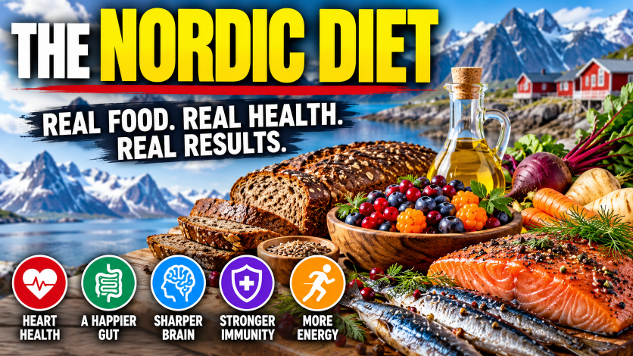
The Nordic diet brings fish, rye, berries, and root vegetables to the table. This video...

Your voice is a gift worth sharing. “Give Back To The Universe” by Mary Travers and the...

Have you ever felt lost in the chaos of the world, searching for a guiding light when...

As discussions around objectification in media evolve, the spotlight now shifts to male...

Suppressing originality can stifle vitality and initiative, as shown by...

What if the thing overwhelming you isn’t the task itself, but what you expect of...

Sometimes we recognize that something needs to change long before we feel ready to...

Authenticity is about revealing one's true self, often hidden due to societal...