
Fitness & Exercise
Slow Jogging and Why Running Slower Might Be the Smartest Move You Make
Most people assume that running harder means running better, but the science disagrees in ways that should make every fitness enthusiast pause. Slow jogging is a low-intensity...











 While the U.S. is the birthplace of the Internet, it currently falls behind other countries in making high quality broadband connections widely available.
 A new drug shows promise for treating heart disease in cats and humans, report researchers.
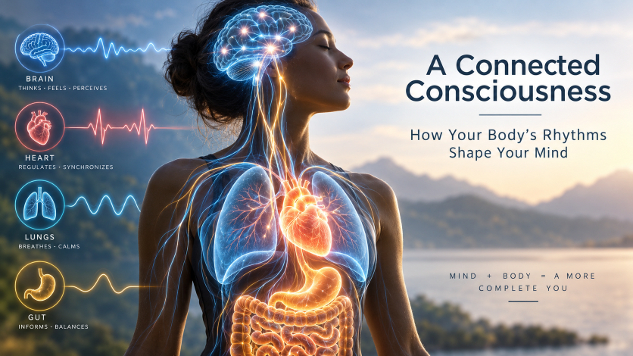
 To make the most of your energy, look to nature as your guide. For example, for a plant to survive long term, it requires strong roots–ones that pull in nutrients and water from its environment and give it the strength to carry on.
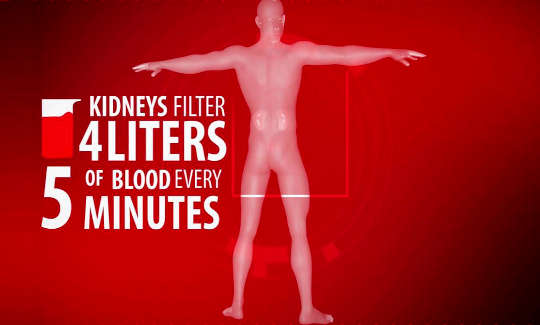
 To boost strength and resilience we need to eat more nutrient-dense foods and support blood circulation. The digestive system is an important source of support for the lungs that also tends to express more deficiencies in autumn.
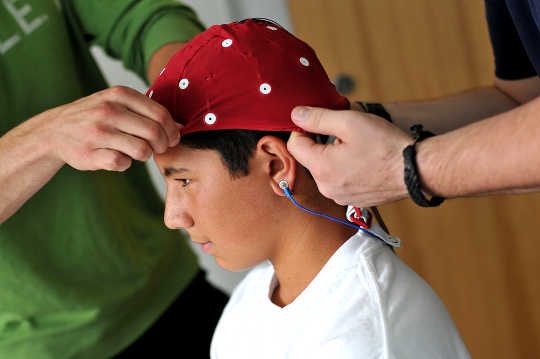 Currently there is not a single test that can reliably and objectively diagnose concussions, but new research suggests measuring the brain’s response to sound could take the guesswork out of the diagnosis.
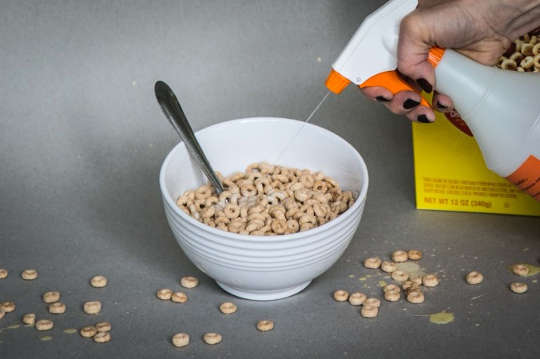 Glyphosate is by far the most heavily used chemical weed killer in human history. It’s so pervasive, it’s difficult to avoid ingesting it on a daily basis.
 Women with breast cancer cite “chemo-brain” as a substantial problem after chemotherapy for as long as six months after treatment, research shows.
 A tool that analyzes the expression patterns of four genes might help doctors predict if prostate cancer will reoccur following surgery.
 In the absence of a federal U.S. policy for schools located near potentially dangerous sites, community activists search for safer solutions.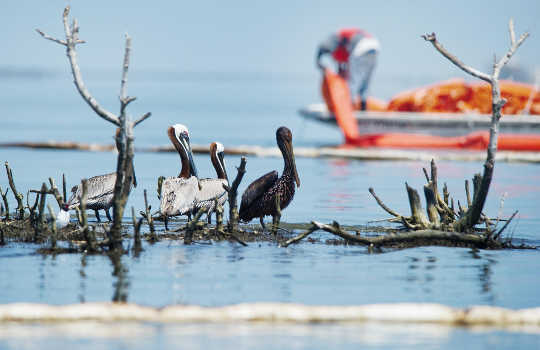
 A new study confirms that sense of smell declines sharply in the early stages of Alzheimer’s, which suggests a sniff test might be a helpful diagnostic tool.
 Scientists are studying a small group of older adults with excellent memories called “supernormals” to determine their risk for Alzheimer’s.
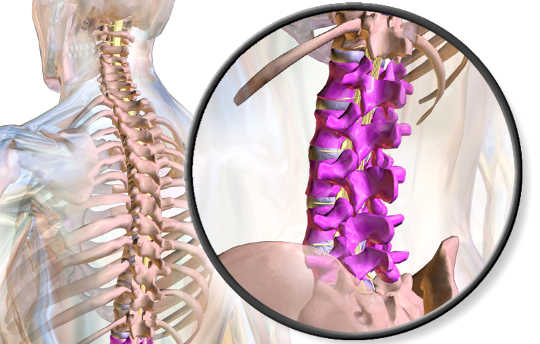 Scientists have used a wireless “brain-spinal interface” to bypass spinal cord injuries in a pair of rhesus macaques, restoring intentional walking movement to a temporarily paralyzed leg.
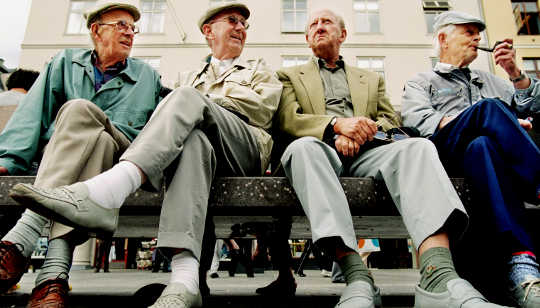 Older adults are less inclined to take risks, but this behavior may be linked to changes in brain anatomy rather than age, new research shows.
 Around 2006, Cherokee leaders approached administrative liaison Pat Gwin about starting a seed bank. They already had launched an initiative to improve health care access and infrastructure at the reservation; now, they wanted to go even deeper by recovering ancestral seeds to preserve their cultural heritage.
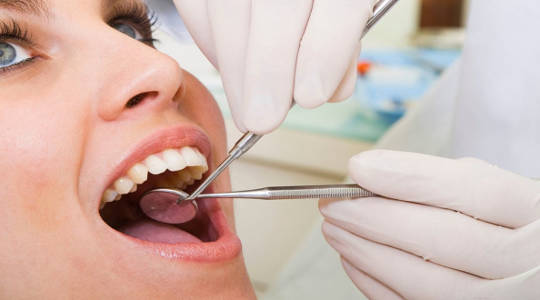 The bacteria that cause chronic gum infections may also trigger the autoimmune inflammation in rheumatoid arthritis (RA), new evidence suggests.
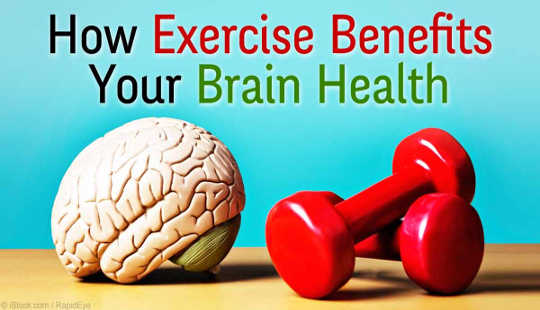 Three things happen to the brain when we exercise, says Wendy Suzuki, professor of neural science and psychology at New York University. She offers a quick explanation in just 90 seconds.
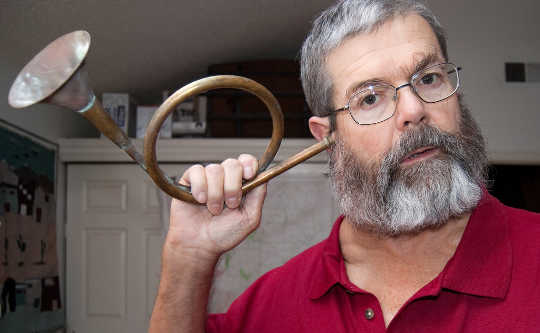 People in noisy situations should face slightly away from the person they’re listening to and turn one ear towards the speech.
 Every night sit comfortably in a chair and rest your head back, like you do at the dentist. You can use a pillow. Don't change your breathing -- let it be natural. By and by your breathing...