
Many people feel anxious when receiving a phone call. Pixabay
Phone anxiety, or telephobia, affects many individuals, especially those with social anxiety disorder. This article explores the emotional and physical symptoms of phone anxiety, the reasons people prefer texting over calls, and effective strategies to combat this fear and improve communication skills.
In This Article
- What causes phone anxiety?
- How does phone anxiety manifest?
- What methods can help reduce phone anxiety?
- How can exposure therapy improve phone skills?
- What are the limitations of addressing phone anxiety?
Staying in touch with loved ones without seeing them in person has become even more important during the pandemic. But for some people, making or receiving calls is a stressful experience. Phone anxiety – or telephobia – is the fear and avoidance of phone conversations and it’s common among those with social anxiety disorder.
Having a hatred of your phone doesn’t necessarily mean you have phone anxiety, although the two can be related. There are, of course, many people who dislike making or receiving calls. But if this dislike causes you to experience certain symptoms, you may have phone anxiety.
Some emotional symptoms of phone anxiety include delaying or avoiding making calls because of heightened anxiety, feeling extremely nervous or anxious before, during and after the call and obsessing or worrying about what you’ll say. Physical symptoms include nausea, increase in heart rate, shortness of breath, dizziness and muscular tension.
If you feel like this, you’re not alone. A 2019 survey of UK office workers found 76% of millennials and 40% of baby boomers have anxious thoughts when their phone rings. Because of this, 61% of millennials would completely avoid calls, compared with 42% of baby boomers. If you suffer from these symptoms, there are some things you can do to make it easier.
Avoiding phone calls
Talking on the phone can be daunting because we’re limited to just the sounds of our voices. In the absence of all other social cues – including gestures, body language and eye contact – we can often feel self-conscious of the sound of our own voices and our choice of words.
Thanks to technology, we can often go days, weeks or even months without directly speaking to others on the phone. One study found anxious people prefer texting over phone calls, rating it a superior medium for expressive and intimate contact.

Some people opt for texting because it gives them time to think about the wording of their messages, providing the opportunity to be informal. In some cases, they develop a different personality separate and in contrast to their real-life, more reticent, self.
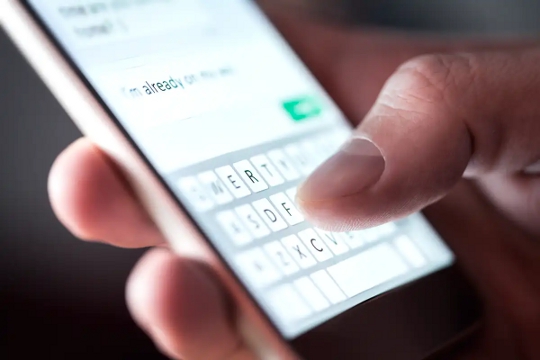 Many people prefer texting to phone calls. Shutterstock/Tero Vesalainen
Research also suggests phone anxiety is related to a preoccupation with what the other person thinks of them. By eliminating the immediate reaction of others in spoken conversations, text messaging may offer those with phone anxiety a way of making social contact without the fear of rejection or disapproval.
Another reason phone calls can sometimes feel overwhelming is the pressure that comes with being someone else’s focus. In face-to-face conversations, we have several distractions in our environment; like gazing out of the window or, ironically, checking the missed call notifications on our phones. This can make the interaction feel more casual and the conversation flow naturally. On a call, there are no external distractions, so it can feel like the spotlight is on us to answer questions straight away.
Pauses can feel extremely uncomfortable too. In person, you can see when someone is distracted or thinking but on the phone brief silences can feel awkward. We’re also becoming accustomed to being able to review emails, texts and social media posts before hitting the send button, so a phone conversation can feel impulsive and risky.
It’s easy to put off or completely avoid calls when you’re feeling anxious, but the more you procrastinate, the worse the anxiety is likely to get. The good news is you don’t need to suffer in silence, or over text messages. There are several useful techniques that may help you break the pattern.
Pick up the phone
One of the most effective ways to overcome phone anxiety is to expose yourself to more phone calls. The more you do it, the less overwhelming it becomes. It’s also likely that your phone anxiety is linked to a lack of experience. The more practice you have, the less anxious and more confident you’ll feel.
You can start this process by making a list of the people you need to speak to on the phone, such as friends or colleagues, and go through each one by reflecting on what it is about the call that makes you anxious. For example, it might be making a mistake or feeling judged. When the call is over, acknowledging your success will help you stay motivated for the next call.
If you’ve tried to combat your phone anxiety or you think you might benefit from seeking professional help, counselling is a great option and there are a number of talking therapies available. Cognitive behavioural therapy is a very effective treatment for social anxiety, and there’s an online option that might be a suitable alternative if you feel a bit nervous about speaking to someone in person.
About The Author
Ilham Sebah, Teaching Fellow in Psychology, Royal Holloway
This article is republished from The Conversation under a Creative Commons license. Read the original article.
Further Reading
-
How to Be Yourself: Quiet Your Inner Critic and Rise Above Social Anxiety
Ellen Hendriksen explains how social anxiety can amplify self-consciousness, fear of judgment, and avoidance of everyday interactions. The book offers practical ways to quiet the inner critic, tolerate discomfort, and become more confident in situations that feel socially risky.
Amazon: https://www.amazon.com/exec/obidos/ASIN/1250161703/innerselfcom
-
Overcoming Social Anxiety and Shyness: A Self-Help Guide Using Cognitive Behavioral Techniques
Gillian Butler presents cognitive behavioral techniques for understanding and reducing the thought patterns and avoidance habits that reinforce social anxiety. The approach is especially relevant for situations such as phone conversations, where fear of embarrassment or negative evaluation can make ordinary communication feel threatening.
Amazon: https://www.amazon.com/exec/obidos/ASIN/0465005454/innerselfcom
-
The Anxiety and Worry Workbook: The Cognitive Behavioral Solution
David A. Clark and Aaron T. Beck provide a structured cognitive behavioral approach to identifying anxious thoughts and changing the behaviors that keep anxiety active. Its exercises can help readers examine anticipatory worry, avoidance, and catastrophic thinking while gradually building greater tolerance for uncomfortable situations.
Amazon: https://www.amazon.com/exec/obidos/ASIN/160623918X/innerselfcom
Article Recap
Phone anxiety is a common issue that can be managed with practice and support. Individuals experiencing these symptoms should consider implementing exposure techniques or seeking professional help for effective coping strategies.
#InnerSelfcom #PhoneAnxiety #Telephobia #SocialAnxiety #CognitiveBehavioralTherapy #MentalHealthAwareness #CommunicationSkills